







Search Results for: Kaffa Forest
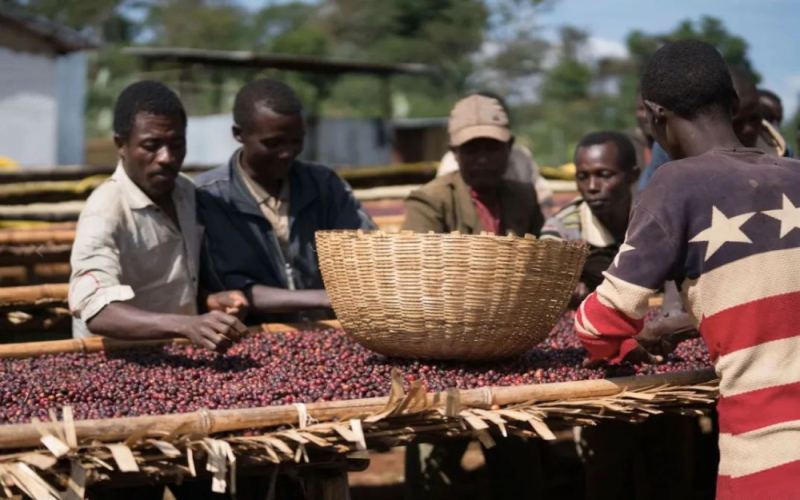
The Original Home of Ethiopian Coffee: Cultivation Patterns in the Kafa Forest and the Coffee Variety Gene Bank
Ethiopia is the birthplace of coffee, and its cultivation models fall into three types: garden, estate, and forest. Among them, the forest cultivation in the Kafa region of the southwest is the most unique. This place is not only the hometown of coffee but also home to about 5,000 coffee tree species, making it a genetic treasure trove of Arabica coffee. The Kafa forest has undergone logging and protection, and today it persists in the form of a biosphere reserve, with about 30 cooperatives in the surrounding area engaged in coffee production. Front Street Coffee has also launched a washed coffee bean from this producing region, presenting floral aromas, citric acidity, and sweet orange and bergamot flavors. This article will guide you through the cultivation traditions, historical changes, and coffee characteristics of the Kafa forest. [more…]
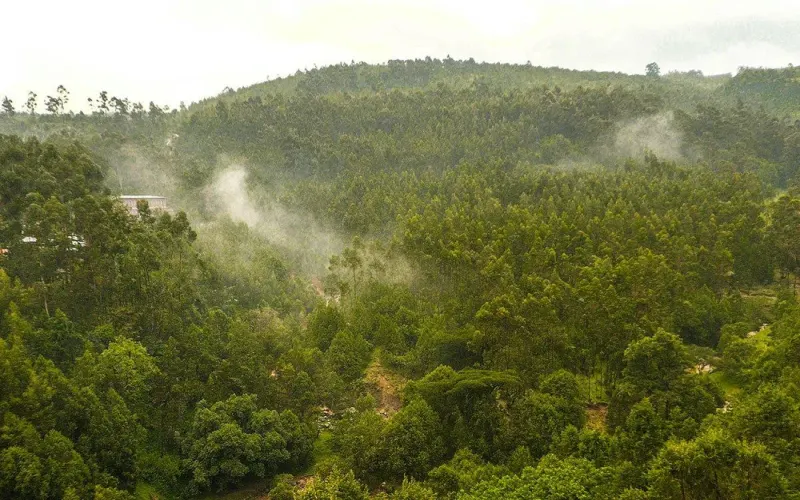
Exploring Ethiopia's Kafa Wild Forest: A Full Analysis of the Flavor of Heirloom Natural G1 Coffee Beans
In southwestern Ethiopia, there is a primeval forest called Kafa, which still retains its ancient forest appearance and rich native coffee varieties. The coffee beans here grow naturally in the wild forest ecosystem, sheltered by mountains and rainforest trees, fertilized by fallen branches and leaves, and processed by local farmers using the most traditional sun-drying method. The Kafa Forest production area has a unique volcanic landform and wetland environment, where 26 small cooperatives and about 4,166 farmers work hard in the mountainous area at an altitude of 1,750 meters. This article will take you through the production area background, historical origins, and specific flavors to fully understand the unique charm of Front Street sun-dried Kafa Forest G1 coffee beans. [more…]
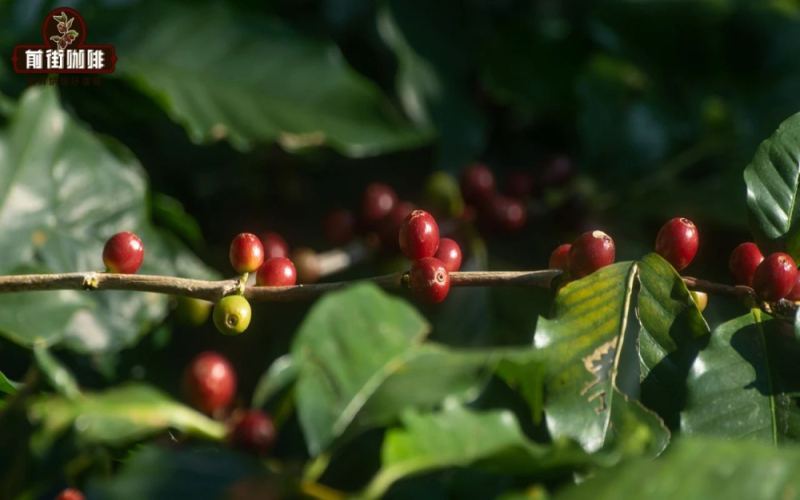
Ethiopian Coffee vs. Geisha Variety Comparison: Flavor Characteristics of Kafa Wild Forest Washed Beans and V60 Brewing Method
Ethiopia, as the birthplace of Arabica coffee, is home to numerous well-known growing regions, and the Geisha variety takes its name from the Geisha Mountain in the country's Kafa forest. Starting from Front Street Coffee's everyday bean series, this article systematically reviews Ethiopia's coffee-growing conditions, its main producing regions, and the wild coffee characteristics of the Kafa Biosphere Reserve, while comparing in detail the essential differences between the native heirloom varieties of the Kafa forest and the Panamanian Geisha variety. It also introduces the flavor profile of Front Street's washed Kafa Forest coffee beans, along with the specific parameters and techniques for three-stage extraction using a V60 dripper, helping coffee enthusiasts understand more clearly the relationship between Ethiopian coffee and Geisha. [more…]
Exploring Ethiopia's Kafa Primeval Forest: The Genetic Treasure Trove and Flavor Analysis of Wild Arabica Coffee
In southwestern Ethiopia lies a primeval forest known as the "natural coffee variety museum"—the Kafa Biosphere Reserve. This is not only a genetic treasure trove of Arabica coffee but also nurtures approximately 5,000 coffee tree species. Front Street Coffee has delved deep into the archives to unveil the mysteries of the Kafa Forest for you: from the historical origins of the Kingdom of Kafa, to the growing environment of wild coffee, and further to the threats of cultivation and conservation efforts it faces. The article also features a cupping of a washed batch of Front Street Kafa Forest coffee beans, presented in a medium-light roast revealing the enchanting flavors of bergamot, white florals, and apricot. Follow our words and savor the pure taste bestowed by this ancient forest. [more…]
A Comprehensive Analysis of the Characteristics of Ethiopia's Southwestern Kafa Forest Coffee Region and the Origins of Wild Arabica
Ethiopia is globally recognized as the birthplace of coffee, and its southwestern Kafa Forest is widely regarded as the original homeland of Arabica coffee. Starting from Ethiopia's overall coffee-growing conditions, this article outlines the distribution of well-known producing regions such as Yirgacheffe, with a focus on the geography, ecology, and coffee cultivation patterns of the Kafa region and the Kafa Biosphere Reserve. It also clarifies a common misconception: the Kafa Forest and the Panama Geisha variety are not the same thing. The article also introduces the flavor profile of Front Street Coffee's Kafa Forest washed beans and V60 brewing parameters for coffee enthusiasts' reference. [more…]
Three Ethiopian Beans Compared: Yirgacheffe G1, Hambela, and Kaffa Forest — Which One Is Your Cup of Tea?
With so many Ethiopian beans out there, which one should you buy first when your budget is limited? Today we're putting three popular Ethiopian beans side by side for a horizontal comparison—Yirgacheffe Gudingding, Huakui, and Kafa Forest—scoring and comparing them across three dimensions: flavor, mouthfeel, and who they suit. After reading this, you can make a decision right away. Comparison One: Flavor Performance Yirga [more…]
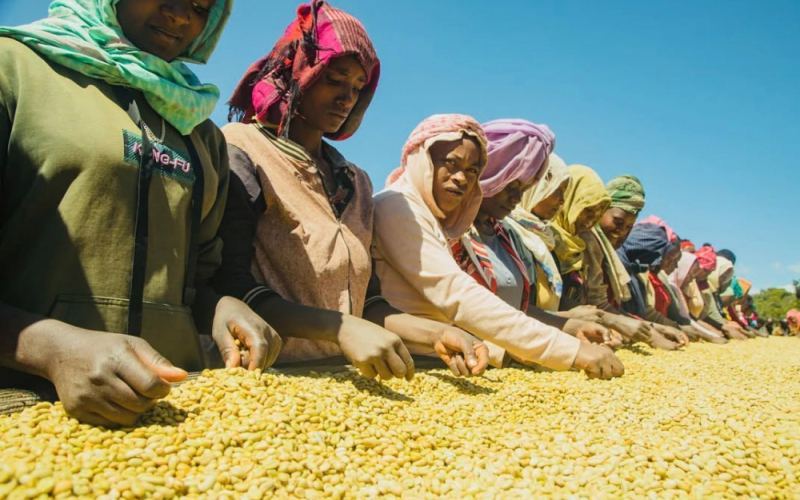
Ethiopia, the Origin of Coffee: A Full Analysis from the Kaffa Legend to Six Front Street Specialty Pour-Over Beans
Ethiopia is widely recognized as the birthplace of coffee. Its name means "the land where the sunburned people live" in ancient Greek, and the English word "coffee" is said to come from the Ethiopian place name "Kaffa." Legend has it that around 900 AD, a shepherd noticed his flock became unusually energetic after eating red berries, thus beginning the story of coffee cultivation. As a mecca for specialty coffee, Ethiopia produces beans with bright acidity, honey-like sweetness, and a clean mouthfeel, and Yirgacheffe is a household name. In this article, Front Street Coffee will take you into the world of Ethiopian coffee and introduce six must-try specialty pour-over beans one by one, covering washed Yirgacheffe, Gotiti, natural Red Cherry, natural Huakui, Hamashu, and Kaffa Forest. [more…]
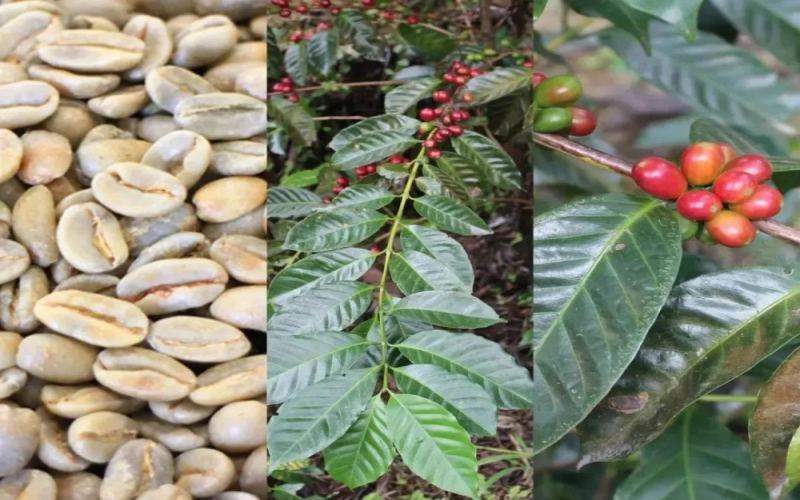
Tracing the Origins of Gesha Village: An Analysis of the Geisha Variety and Flavor Characteristics of Ethiopia's Gesha Village
Geisha is now a star variety in the specialty coffee world, but its roots actually lie deep in the primeval forests of southwestern Ethiopia. This article begins with the history of Geisha's discovery, tracing how it traveled from the Kafa forest through many countries, eventually rose to fame in Panama, and then returns to the journey of Adam Overton and his wife in establishing the Gesha Village Coffee Estate in the Bench Maji region. The article also provides a detailed introduction to the three varieties currently grown at Gesha Village: Geisha 1931, Gori Gesha, and Illubabor 1974, as well as the essential differences in variety between Gesha Village and Panama Geisha. Finally, it presents Front Street Coffee's red-label Geisha brewing flavor description, helping enthusiasts gain a more comprehensive understanding of the origins and development of this legendary producing region. [more…]
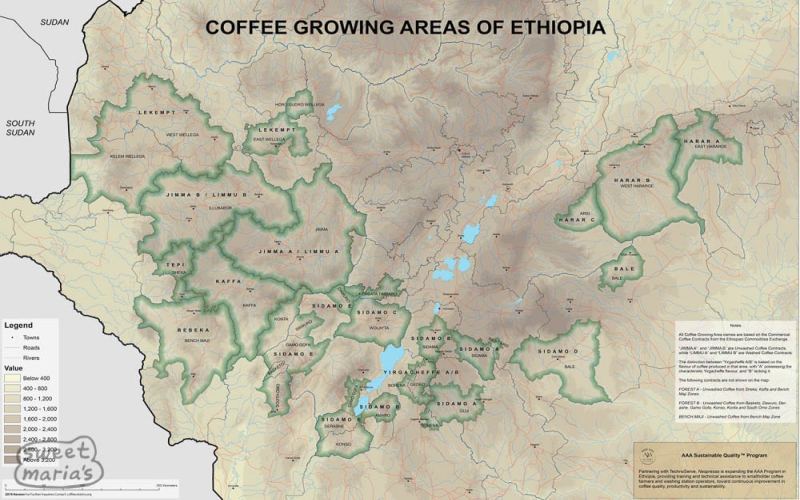
A Complete Guide to Ethiopian Coffee Regions: Yirgacheffe Altitude Characteristics and a Flavor Guide to Nine Major Regions
Ethiopia, the birthplace of coffee, nurtures over five thousand native coffee varieties in the Kaffa forests of its south. After the administrative boundary adjustments in 1995, Sidamo Province was redivided, Yirgacheffe was placed under the Gedeo Zone, and it is common to see old and new production area names used interchangeably in the market. This article combines the latest administrative divisions to systematically review the altitude, cultivation patterns, and flavor characteristics of Ethiopia's nine major coffee-producing regions, takes a deep look at the evolution of the washed and natural processing methods in Yirgacheffe, and shares Front Street Coffee's cupping experience and brewing suggestions for representative beans such as Huakui 8.0, providing coffee lovers with a complete guide to Ethiopia's coffee-producing regions. [more…]
Where is the birthplace of Arabica coffee? Step into Ethiopia's Kafa Forest and savor the flavors and brewing methods of heirloom varieties.
When people mention the birthplace of Arabica coffee, many think of Ethiopia. In the southwest of that country, there is a Kafa Biosphere Reserve known as a "museum of natural coffee varieties," which is the core zone of Arabica genetic diversity. Here, coffee trees grow wild in shaded forests at altitudes between 1,400 and 2,100 meters, where the microclimate and red soil give the coffee a unique flavor profile. Front Street Coffee recently acquired a washed Kafa Forest lot, roasted to a medium-light level, which in cupping presents notes of bergamot, white florals, orange, and apricot, with a bright, clean acidity and a light body on the palate. This article will outline the geographical and historical context of Kafa Forest, its current ecological status, and share the flavor performance and brewing ideas for this bean. [more…]

Comparison of Ice Addition Timing for Iced Hand-Brewed Coffee: An Analysis of Front Street's Japanese-Style Iced Hand-Brew Parameters and Sensory Differences
Should ice be added before or after brewing when making iced pour-over coffee? This question puzzles many coffee lovers. Front Street Coffee conducted a controlled experiment using 15 grams of Kaffa Forest coffee beans, a 1:10 coffee-to-water ratio, a water temperature of 90-91°C, and a grind setting of 9 on an EK43s grinder, testing two brewing sequences: ice added first and ice added last. The experiment found that after thorough shaking, the two methods performed quite similarly overall, but the coffee with ice added first tasted cleaner and more refreshing, while the one with ice added last had a more concentrated and intense aroma. The root of the difference lies in how much ice melts. This article will present the complete experimental parameters, step-by-step procedure, and sensory comparison results to help readers understand how the timing of ice addition affects the flavor of iced pour-over coffee. [more…]
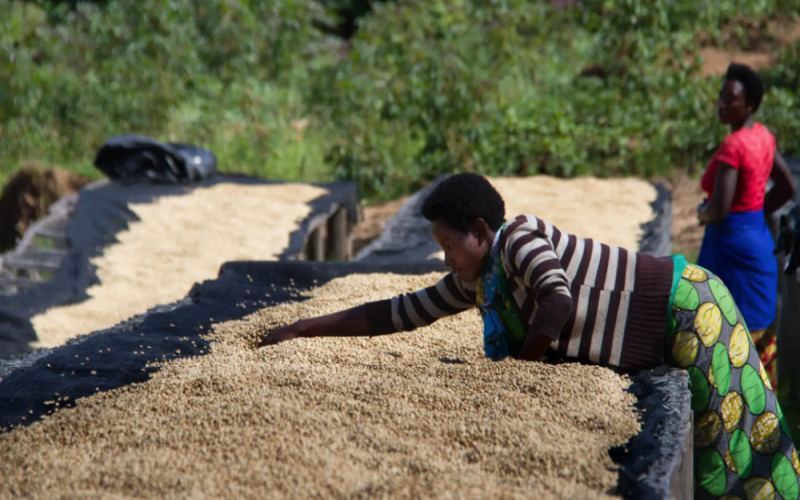
Exploring African Coffee Origins: A Comprehensive Analysis of Ethiopian Coffee Varieties, Cultivation Models, and Processing Methods
Africa is an important coffee-producing region globally, and Ethiopia, as the birthplace of Arabica coffee, has nearly 2,000 recorded varieties, making it truly a "grand garden" of coffee varieties. This article begins with the structure of the coffee berry to analyze why Ethiopian coffee beans vary in size and have low uniformity, introduces four cultivation models including forest coffee and garden coffee, and explains how the three processing methods—natural, washed, and semi-washed—affect flavor. The article also incorporates specific products from the Front Street Coffee brand, such as Kaffa Forest, Huakui, Fruit Dingding, and Yirgacheffe, to help coffee enthusiasts understand the sources of Ethiopian coffee's diversity. [more…]

A Complete Guide to Ethiopian Coffee Bean Grading and Regions: From Coffee Ceremony to the Flavors of Nine Major Origins
Ethiopia is widely recognized as the birthplace of coffee. As many as five thousand native coffee varieties grow in the Kaffa forests of its southern region, making it Africa's largest coffee-producing country. Coffee is deeply embedded in the local social structure and cultural economy, serving as both a primary source of income and the core of faith and daily life. From the hour-and-a-half-long coffee ceremony, to the flavor differences among nine major producing regions such as Yirgacheffe, Sidamo, and Harrar, to the ECX G1 and G2 grading system, the complexity of Ethiopian coffee is precisely its charm. Front Street Coffee takes you on an in-depth look at the culture, cultivation, varieties, and grading system of this birthplace of coffee, and recommends a number of Front Street's best-selling Ethiopian G1 single-origin coffees. [more…]
A Complete Analysis of Ethiopian Coffee Regions: Flavor Characteristics of Nine Specialty Regions and Front Street Coffee Bean Recommendations
Ethiopia is the global gene bank of coffee, with four major cultivation systems—forest, semi-forest, garden, and plantation—that have given rise to nine distinctive regions, including Yirgacheffe, Sidamo, and Harrar. This article systematically reviews the altitude, processing methods, and flavor profiles of each region, and presents the cupping performance and brewing suggestions for several representative beans from Front Street Coffee. From the Gotiti Cooperative to Huakui and Red Cherry, from washed to natural, this guide will give you a comprehensive understanding of this coffee nation hailed as the "taste of a king," helping you find the cup of Ethiopian flavor that suits you best. [more…]
An In-Depth Guide to Ethiopian Coffee: A Comprehensive Analysis of Flavor Characteristics and Trading Systems in Nine Specialty Regions
Ethiopia is the core of the global coffee gene pool, home to four cultivation systems—forest, semi-forest, garden, and plantation—and birthplace of nine distinctive specialty regions such as Yirgacheffe, Sidamo, and Harar. This article systematically lays out the geography, variety characteristics, processing methods, and trading system of Ethiopian coffee, takes a deep dive into the flavor differences across regions, and includes Front Street Coffee's cupping comparisons and brewing suggestions, offering coffee lovers a complete Ethiopian coffee tasting map. [more…]
The Cradle of African Coffee: A Complete Guide to the Origins of Ethiopian Arabica and the Flavors of Its Specialty Regions
Ethiopia is a genetic treasure trove of Arabica coffee and a holy land in the hearts of specialty coffee lovers worldwide. From the ancient legend of the shepherd in the Kaffa region to today's diverse cultivation systems, this land has given birth to countless fascinating flavors. This article will take you back to the origin story of African Arabica coffee, systematically sort out Ethiopia's coffee cultivation, processing methods, and grading system, and analyze one by one the flavor characteristics of well-known producing regions such as Limu, Djimma, Gimbi, Yirgacheffe, Sidamo, and Harar. Whether you are a pour-over beginner just starting out or a seasoned enthusiast looking for your next favorite bean, you can gain practical origin knowledge from it. Front Street Coffee will also combine regional characteristics to recommend Ethiopian specialty coffees worth trying. [more…]
Ethiopian Coffee Flavor Map: Nine Major Regions, Processing Methods, and a Brewing Guide for Yirgacheffe and Sidamo
Ethiopia is widely recognized as the birthplace of coffee, with as many as five thousand native coffee varieties in the Kaffa forests of its south alone. As Africa's largest coffee-producing country, Ethiopia exports only sixty percent of its coffee beans, while the rest are woven into local weddings, festivals, and daily rituals. In this country, coffee is both a faith and a culture; the complete coffee ceremony—from roasting the beans and grinding them with a pestle to brewing and drinking—can last up to an hour and a half. This article will systematically sort through Ethiopia's coffee cultural background, cultivation models, the flavor characteristics of its nine major regions, the Red Cherry Project, and its variety and grading systems, and will append Front Street Coffee's roasting and brewing recommendations for Yirgacheffe and Sidamo, helping coffee lovers gain a comprehensive understanding of this specialty coffee holy land. [more…]
A Complete Analysis of Ethiopia's Nine Major Coffee Regions: Yirgacheffe Flavor Characteristics and Cultivation System
Ethiopia is the country with the richest coffee gene pool in the world, possessing four major cultivation systems—forest, semi-forest, garden, and plantation—from which nine specialty regions have emerged, each with its own distinctive flavor profile. This article will systematically review the cultivation environments, processing methods, and flavor expressions of regions ranging from Yirgacheffe and Sidamo to Gimma and Harar, and will also include cupping comparisons and brewing suggestions for several representative beans from Front Street Coffee, helping coffee lovers gain a comprehensive understanding of the charm of this "king of flavors" country. [more…]
A Complete Guide to Ethiopia's Nine Specialty Coffee Regions: Farming Systems, Flavor Profiles, and Front Street Coffee's Selected Bean List
Ethiopia is the country with the richest coffee gene pool in the world. Its coffee cultivation system is divided into four major categories: forest, semi-forest, garden, and plantation, with 90% of production coming from the first three smallholder models. This article will introduce the nine major specialty regions of Gimma, Sidamo, Yirgacheffe, Harar, Limu, Illubabor, Gimbi, Tepi, and Bebeka one by one, covering altitude, cultivation system, processing methods, and flavor characteristics, and will also include representative beans and brewing suggestions for each region from Front Street Coffee, giving you a systematic understanding of the complete landscape of this country of "the king's flavor." [more…]

A Complete Flavor Analysis of Ethiopia's Specialty Coffee Regions: Origin Characteristics and Grading Systems from Yirgacheffe to Harrar
The core philosophy of specialty coffee lies in presenting the unique regional flavors of its origin, and Ethiopia, as the birthplace of Arabica coffee, boasts numerous distinctive production regions such as Yirgacheffe, Sidamo, Harrar, and Limu, each displaying vastly different flavor profiles due to variations in altitude, processing methods, and varieties. This article systematically reviews the flavor characteristics, grading systems, and variety overviews of major Ethiopian coffee regions, while also introducing the naming conventions and information labeling methods for specialty coffee beans, helping coffee enthusiasts gain a deeper understanding of this rich African coffee kingdom. Front Street Coffee (FrontStreet Coffee) also shares in the article the brewing practices for Sidamo Huakui, for readers' reference. [more…]